Email Blast Best Practices for Insurance Agents: Timing and Content
By Michael Reynolds · Published · 5 min read
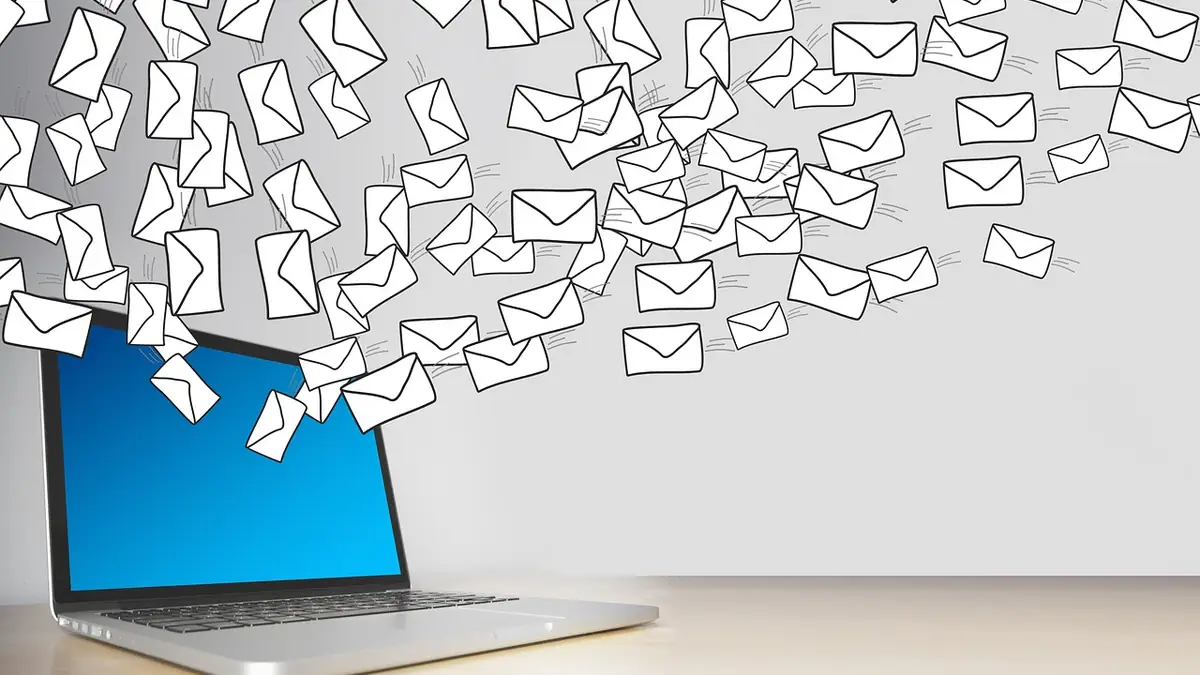
Email blasts remain one of the most cost-effective ways for insurance agents to stay in front of clients and prospects. But inboxes are crowded, and a poorly timed or poorly written email gets deleted—or worse, marked as spam. The difference between a campaign that generates calls and one that damages your sender reputation comes down to timing, content, and compliance.
This guide gives you concrete benchmarks and rules of thumb for sending insurance emails. You'll find typical open and click rates, subject line formulas that work in the insurance niche, and the legal requirements you must follow under CAN-SPAM and related laws. Use these practices to build campaigns that get read and keep you out of trouble.
Why Email Still Matters for Insurance Agents
Email is not glamorous, but it consistently delivers. For insurance agents, typical open rates range from 20% to 30%, and click-through rates hover between 2% and 5% for well-targeted lists. Compare that to social media, where organic reach for business pages often falls below 5%. Email also gives you something social media doesn't: a direct, owned connection to your audience that isn't subject to algorithm changes.
The key advantage is segmentation. You can send a Medicare supplement email only to prospects over 65, a life insurance email to new parents, or a business owner's policy email to commercial clients. That relevance drives engagement. Agents who segment their lists typically see open rates 10–15 percentage points higher than those who blast the same message to everyone.
Finally, email is measurable. You can track opens, clicks, and replies, and use that data to refine future sends. That feedback loop is invaluable when you're trying to build trust and stay top-of-mind in a relationship-driven business.
- Open rates: 20–30% typical for insurance
- Click-through rates: 2–5%
- Segmented campaigns lift opens by 10–15 points
- Email is owned media—no algorithm
Optimal Send Times and Frequency
Timing matters, but there's no universal magic hour. For insurance agents, Tuesday through Thursday between 9 a.m. and 11 a.m. local time tends to perform best. That's when people are at their desks, not yet buried in afternoon meetings. Avoid Monday mornings (inbox cleanup) and Friday afternoons (weekend mode). For Medicare-related emails, mid-morning on weekdays works well because many seniors are home and checking email.
Frequency is a balancing act. Sending too often leads to unsubscribes; too rarely and people forget you. A practical cadence for most agents is one email per month for general newsletters, plus separate triggered emails (e.g., welcome series, policy renewal reminders). During busy seasons like Medicare Annual Enrollment (October–December), you might increase to weekly, but only if you have something valuable to say.
Test your own audience. Start with a Tuesday 10 a.m. send, then try Wednesday 2 p.m. the following month. Compare open and click rates. After three or four tests, you'll have a clear picture of what works for your list.
- Best days: Tuesday–Thursday
- Best times: 9–11 a.m. local
- Avoid Monday morning and Friday afternoon
- Monthly newsletter + triggered emails
- Test and measure for your audience
| Campaign Type | Open Rate | Click-Through Rate | Unsubscribe Rate |
|---|---|---|---|
| Monthly newsletter | 20–30% | 2–4% | 0.2–0.4% |
| Policy renewal reminder | 35–45% | 5–8% | 0.1–0.3% |
| Medicare Open Enrollment | 25–35% | 4–6% | 0.3–0.5% |
| Life insurance educational | 22–28% | 3–5% | 0.2–0.4% |
| Welcome series (new leads) | 40–50% | 8–12% | 0.1–0.2% |
| Cross-sell (existing clients) | 30–40% | 5–7% | 0.2–0.4% |
Subject Lines That Get Opened
Your subject line is the gatekeeper. In the insurance industry, the most effective subject lines are specific, benefit-oriented, and under 50 characters. Avoid vague phrases like 'Important update' or 'News from our agency.' Instead, try 'Your 2025 Medicare options explained' or 'How to save on life insurance this year.' Personalization—using the recipient's first name—can lift open rates by a few percentage points, but don't overdo it.
Urgency works, but false urgency backfires. Saying 'Open now!' when there's no deadline erodes trust. If you have a real deadline (e.g., Open Enrollment ends December 7), state it clearly. Also, avoid spam trigger words like 'free,' 'guarantee,' 'act now,' and excessive exclamation points. Spam filters are sensitive to these, and they can land you in the junk folder.
Preview text (the snippet after the subject line) is often overlooked. Use it to complement the subject line, not repeat it. For example, if the subject is 'Your 2025 Medicare options explained,' the preview could be 'Compare Part D plans and find the right fit.'
- Keep subject lines under 50 characters
- Be specific and benefit-oriented
- Use real deadlines, not fake urgency
- Avoid spam words: free, guarantee, act now
- Use preview text to add context
Content That Converts
Insurance emails should educate first, sell second. The most effective content answers a common question or solves a problem. For example, a life insurance email could explain 'How much coverage do you need?' with a simple rule of thumb (10–12 times income). A Medicare email could walk through the difference between Part A and Part B. When you provide value, readers are more likely to click through to your quote tool or call you.
Structure matters. Use short paragraphs, bullet points, and a clear call-to-action (CTA). One primary CTA per email is best—whether it's 'Get a quote,' 'Reply to this email,' or 'Schedule a call.' Make it a button or a prominent link. Avoid multiple competing CTAs; they confuse readers and reduce clicks.
Include a physical address and an unsubscribe link in every email. This is not just good practice—it's the law under CAN-SPAM. Also, make sure your email renders well on mobile devices. Over 50% of emails are opened on mobile, so use a responsive template and test before sending.
- Educate first, sell second
- One clear CTA per email
- Use short paragraphs and bullets
- Include physical address and unsubscribe link
- Test on mobile—over 50% of opens are mobile
Compliance: CAN-SPAM and Beyond
The CAN-SPAM Act sets the rules for commercial email in the U.S. Key requirements: don't use deceptive subject lines, identify the message as an ad (though many insurance emails are informational and may not require this label), include your physical postal address, and provide a clear and conspicuous unsubscribe mechanism. You must honor unsubscribe requests within 10 business days. Penalties can run up to tens of thousands of dollars per violation, so take it seriously.
If you're sending to clients in states with stricter privacy laws (like California's CCPA), you may need additional disclosures. Also, if you're sending text messages or making calls, you'll need to follow the Telephone Consumer Protection Act (TCPA) and state call recording laws. For email, however, CAN-SPAM is the primary federal statute.
Best practice: use a reputable email service provider (ESP) that handles unsubscribe links and address requirements automatically. Keep records of opt-ins and unsubscribes. And never buy an email list—purchased lists often include spam traps and will damage your sender reputation.
- Honor unsubscribes within 10 business days
- Include physical postal address
- No deceptive subject lines
- Use a reputable ESP
- Never buy email lists
Measuring Results and Improving
Track open rate, click-through rate, unsubscribe rate, and conversions (calls, quote requests). A healthy unsubscribe rate is under 0.5% per send. If you see higher, your content may be too salesy or your frequency too high. Also, monitor bounce rates—keep them under 2% by cleaning your list regularly.
A/B testing is your friend. Test one variable at a time: subject line, send time, CTA text, or layout. Use a sample size large enough to be meaningful (at least 100 recipients per variant). After a few tests, you'll know what resonates with your audience.
Finally, integrate email with your other efforts. Include your email newsletter signup on your website and social profiles. Add a link to your email in your voicemail greeting. The more touchpoints, the more opportunities to stay connected.
- Monitor open, click, unsubscribe, bounce
- Keep unsubscribe rate under 0.5%
- Clean your list to keep bounces under 2%
- A/B test one variable at a time
- Promote signup on website and social
- Send Tuesday–Thursday, 9–11 a.m. local time for best open rates.
- Keep subject lines under 50 characters, specific, and free of spam triggers.
- Educate first, include one clear CTA, and always comply with CAN-SPAM.
- Track metrics, clean your list, and A/B test to improve over time.
Michael has spent over a decade helping new insurance agents navigate licensing and contracting. He created FFL Getting Started to provide clear, practical tools and guides for agents at every stage of their career.